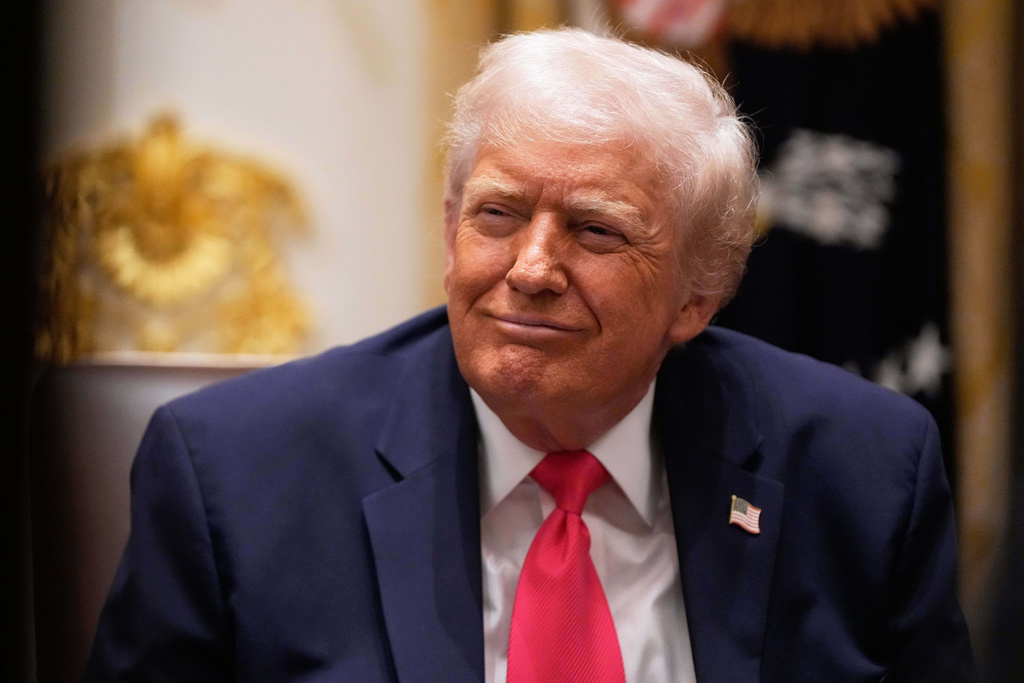
MINNEAPOLIS (AP) — Recent comments made by President Donald Trump and high-ranking officials in the administration that belittle Minnesota’slarge Somali communityhave drawn new focus to the immigrants from thewar-torn east African country and their descendants.
Trump on Tuesday stated he did not wish to have Somalis in the U.S. because “they contribute nothing.” The president made the comment shortly after a source involved in the planning mentioned that federal officials are getting ready for a…targeted immigration enforcement operationin Minnesota that would mainly target Somali immigrants who are residing in the U.S. without legal authorization
Here are a few key points about Somalis in Minnesota:
Largest community of Somali Americans in the United States
Approximately 260,000 individuals with Somali backgrounds resided in the United States in 2024, as reported by the Census Bureau’s annual American Community Survey. The biggest group can be found in the Minneapolis-St. Paul region, which is home to roughly 84,000 people, the majority of whom are U.S. citizens. Ohio, Washington, and California also host notable numbers of Somalis.
Approximately 58% of Somalis in Minnesota were born in the United States. Among the Somali population who were born outside the U.S., nearly 87% have become naturalized American citizens. According to the Census Bureau, almost half of the foreign-born individuals arrived in the U.S. in 2010 or later.
They consist of numerous individuals who escaped the prolonged civil conflict in their East African homeland and were attracted by the state’s inclusive social initiatives.
Trump targets the community
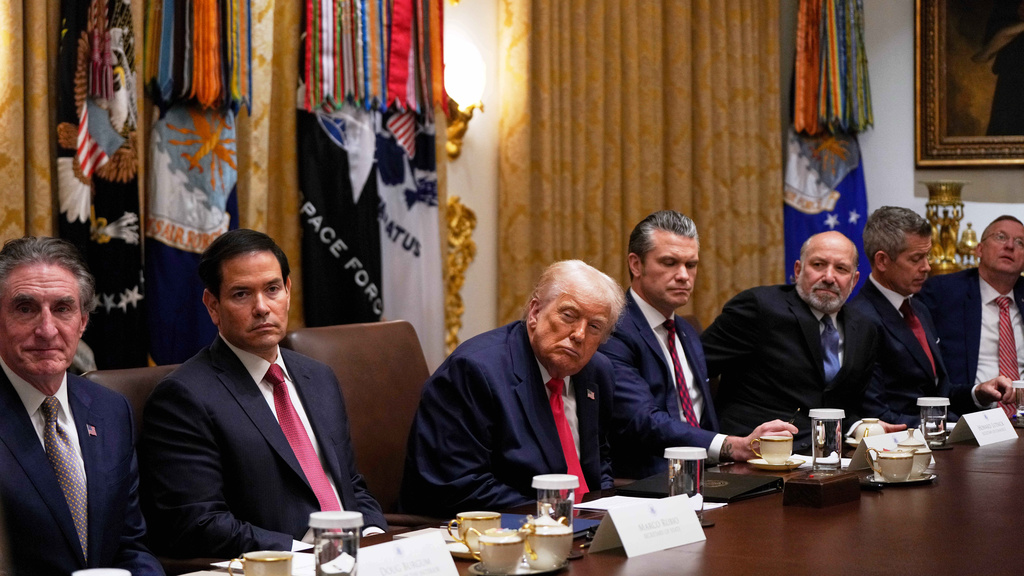
Trump has become increasingly focusedIn recent weeks, regarding Somalis living in the U.S., it has been stated that they “have caused a lot of trouble.”
Trump and other government officials increased their criticism following a report from the conservative news source, City Journal, which stated that funds from fraudulent government programs have been directed to the militant organization al-Shabab. Al-Shabab is an affiliate of al-Qaida and controls certain areas in rural Somalia, frequently attacking the capital, Mogadishu.
While Secretary of the Treasury Scott Bessentmentioned in a social media postOn Monday, his agency is looking into whether “hardworking Minnesotans’ tax money might have been sent to the terrorist group,” but so far there isn’t much proof to support this connection. Federal prosecutors haven’t charged any of the many defendants involved in recent public program fraud cases in Minnesota with giving assistance to foreign terrorist organizations.
Last month, Trump stated that he wasterminating Temporary Protected StatusA legal protection against deportation for Somali migrants in Minnesota. A report prepared for Congress in August estimated that 705 Somalis across the country are included in the program.
The statement sparked immediate opposition from certain state officials and immigration specialists, who described Trump’s declaration as a legally questionable move aimed at creating fear and distrust.
Allegations of fraud result in resistance
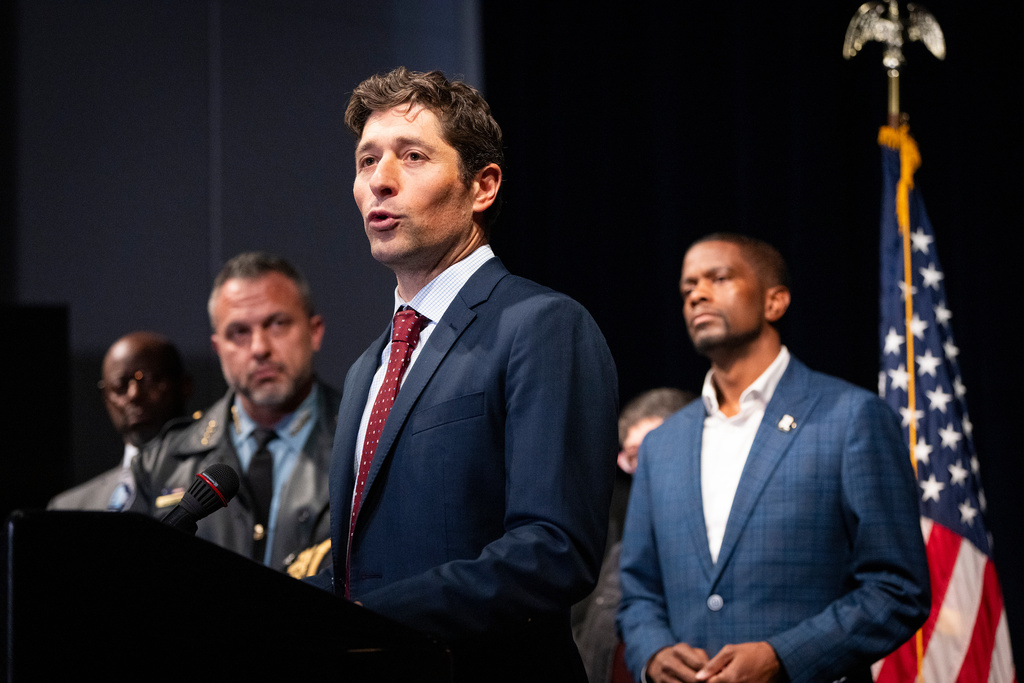
Local Somali community leaders, along with supporters such as Gov. Tim Walz and Minneapolis Mayor Jacob Frey, have also opposed those attempting to hold the entire Somali community responsible for recent instances of significant fraud in public programs.
Those encompass what is referred to as theFeeding Our Futurescandal, which federal officials claim is the nation’s biggestCOVID-19-related fraudsituation. It centered around a program designed to provide meals to children during the pandemic. The defendants were charged with falsely claiming to have fed millions of meals to children. Although the alleged leader was white, several of the defendants were Somalis, and the majority were U.S. citizens.
In recent months, prosecutors have increased their estimate of the thefts to $300 million, up from an initial $250 million, and the number of defendants reached 78 last month. The cases are still being processed within the court system.
Republican candidates running for governor and other positions in 2026 are betting on voters holding Walz responsible for the financial setbacks affecting taxpayers. Trump has criticized Walz for letting the fraud occur during his tenure.
Previous instances of terrorism continue to resonate
Authorities in Minnesota fought for years to stopthe enlistment of young Somali men by the Islamic State organization and the Somalia-based extremist group al-Shabab.
The issue initially emerged in 2007, when over 20 young men traveled to Somalia, where Ethiopian forces supporting a fragile U.N.-backed administration were perceived by many as foreign occupiers.
While the majority of those cases were settled many years ago,another came to lightearlier this year, a 23-year-old individual admitted guilt in September for attempting to supply materials and resources to a recognized foreign terrorist group.
During the 2010s, the Islamic State also attracted followers from Minnesota’s Somali population, according to officials who reported that about a dozen individuals traveled to Syria to support the militants.
Somalis have emerged as a significant presence in Minnesota politics.
The most prominent Somali American is likely Democratic U.S. Representative Ilhan Omar, a passionate progressive whose district covers Minneapolis and who often faces criticism from Trump.
Other Somali Americans have also held positions in the Minnesota Legislature as well as the Minneapolis and St. Paul city councils. State Senator Omar Fateh, a democratic socialist,finished secondin the Minneapolis mayoral election in November against incumbent Mayor Jacob Frey.